
Building foundational literacy and numeracy in Busiya D/A Basic School.
Building foundational literacy and numeracy in Busiya D/A Basic School.
Transforming Teaching Education


Building foundational literacy and numeracy in Busiya D/A Basic School.

The impact of Professional Learning Communities (PLCs) in Bolgatanga Senior High School

Transforming Teaching, Education and Learning (T-TEL) holds its 3rd Annual General Meeting to review progress on collaborative efforts towards education reform T-TEL Board Members, Subscribers, Key Advisors and Staff at the AGM T-TEL recently held its third Annual General Meeting (AGM) on Saturday, May 27, 2023, in Accra. The AGM provided the opportunity for Board Members, T-TEL Subscribers, Key Advisors and Senior Management toreview the organization’s operations in 2022/23, to celebrate successes and strategize as to how to overcome challenges going forward. The AGM was chaired by Professor Jophus Anamuah-Mensah, T-TEL’s Board Chair. Robin Todd, T-TEL’s Executive Director, presented the organisation’s Directors’ Report for 2022/23 on behalf of the Board. The Report covered the three focal areas in T-TEL’s strategic framework: a). Governance, administrative and regulatory compliance; b). Education technical assistance and programme delivery; and c)Financial management, sustainability, and funding diversification. Mr. Robin Todd presenting the Directors’ Report at the AGM Emphasizing T-TEL’s close collaboration with the Ministry of Education and key agencies, such as the Ghana Education Service, Ghana Tertiary Education Commission, National Teaching Council, National Council for Curriculum and Assessment, National Service Scheme and National Schools Inspectorate Authority as well as universities, Colleges of Education, and schools, Mr. Todd underscored that T-TEL’s role is to support these institutions to implement their priorities. He stated, “T-TEL’s work approach is to ensure that we support the Ministry of Education and its agencies in driving educational reforms, so that they have the leading role and are truly at the forefront of these reforms.” Some highlights from the Director’s presentation included: Organizational Growth and insights from Employee Satisfaction Survey: T-TEL has experienced notable growth currently employing 62 full time staff, an increase of 8 since the last AGM. Additionally, 11 part-time Key Advisors provide guidance and expertise to the organization. A recent employee satisfaction survey revealed that 93% of staff were either extremely satisfied or somewhat satisfied to work in T-TEL, indicating a positive work environment and employee morale. Secondary Education Reform (Leaders in Teaching) programme: T-TEL has made significant progress with the Transforming Senior High School Education, Teaching & Learning (T-SHEL) programme which successfully came to an end in March 2023. Building upon this success, T-TEL is supporting the Government of Ghana through the Ministry of Education and its agencies to transform secondary education through the Secondary Education Reform Programme (SETP) which is being implemented in partnership with the Mastercard Foundation. As part of this secondary education reform programme, the Ghana Education Service (GES) and National Teaching Council (NTC) have introduced Professional Learning Community (PLC) sessions using structured materials in 705 Senior High Schools (SHSs) and Senior High Secondary Technical Schools (SHTSs) across Ghana. This is following the successful implementation of PLCs in 12 SHSs and SHTSs. The PLC sessions will ensure that teachers understand and embrace the new secondary education curriculum before it is rolled out nationally in the 2024/25 academic year. Communities of Excellence Programme (CEP): T-TEL is supporting GES in implementing the CEP in three districts – Akuapem South, Lambussie and Bosome Freho. The programme which is funded by the Jacobs Foundation focuses on three key areas: Culture, Skills and Collaboration. The aim of CEP is to enhance the resources available at school and community level with focus on improving foundational literacy, increasing community and parental engagement in basic education and ensuring that teachers are delivering the curriculum as intended. During the AGM, the Board and Subscribers actively engaged in discussions, acknowledging and commending T-TEL for its remarkable achievements over the past year. Constructive feedback was provided, focusing on strengthening processes and systems for effective program delivery. As a result, the Directors’ Report received unanimous approval, reflecting the unwavering support and confidence of the Board and Subscribers. A cross-section of attendees at the AGM In conclusion, the AGM showcased T-TEL’s commitment to transforming education in Ghana through collaboration and innovative initiatives. With the approval of the Directors’ Report, T-TEL is poised to continue its journey of driving sustainable change in the educational landscape, ultimately benefitting the nation and future generations. The Directors’ Report can be downloaded at this link – https://bit.ly/43SXfF5.

Ghana Education Service to roll out Professional Learning Community sessions across all Senior High Schools and Senior High Secondary Technical Schools Some members of the National Training Team holding copies of the PLC Handbook Education is often cited as one of the most important determinants of Ghana’s economic growth because of the crucial role it plays in the development of the country’s human capital base. Recognising this, the Ghana Education Service (GES) has initiated plans for a national roll out of Professional Learning Community (PLC) sessions across all Senior High Schools (SHSs) and Senior High Technical Schools (SHTSs) in Ghana. This is aimed at strengthening teachers’ understanding and adherence to the National Teachers’ Standards (NTS) and prepare them for the introduction of the new secondary education curriculum which will be rolled-out in the 2024/25 academic year. Weekly PLC sessions have been piloted by GES since 2022 in 12 SHS and SHTS using structured Handbooks developed in partnership with the National Teaching Council (NTC). In a recent evaluation, it was found that these weekly sessions have had a significant impact on improving teaching and learning in these 12 schools, providing a strong evidence-base for the national scale-up of this approach. To ensure the smooth institutionalisation and roll-out of the PLC sessions across all 726 schools, GES organised a five-day training session for a 100-member National Training Team comprising representatives from GES, T-TEL, Senior High Schools, and Colleges of Education. The training, which took place in May 2023, focused on equipping the National Training Team with the necessary skills and resources to support teachers and officers across regional and district education directorates to effectively implement PLCs in SHSs and SHTSs. The sessions demonstrated how teachers can be supported and equipped with interactive and innovative approaches to make teaching and learning more engaging for students. With a strong focus on leveraging technology and promoting Gender Equality and Social Inclusion (GESI), the training also highlighted the importance of socio-emotional learning in the classroom. All approaches used in the training were drawn from the National Teacher’s Standards (NTS), which sets out the values and attitudes, knowledge and practices expected of all professional teachers in Ghana. A cross-section of the National Training Team During the training for the National Team, Ms. Faustina Graham, from the Schools and Instructions Unit at GES, emphasised the importance of the training, stating, “we believe that the national rollout of PLC will enhance the quality of education in Ghana. We are committed to ensuring that all teachers have access to the resources and support they need to provide high-quality education in our schools.” Ms. Beryl Opong-Agyei, the National Secondary Education Coordinator at Transforming Teaching, Education and Learning (T-TEL), who is supporting GES with the national roll-out, expressed her appreciation to all participants for their interest in the roll-out of PLCs in senior high schools. She further highlighted the importance of PLCs in improving the professional competence of teachers. “You are the people to train and support the teachers to adopt best practices to improve the quality of their teaching,” she said. Highlighting the significant role the team are expected to play over the coming weeks by rolling out the training to over 700 schools, Mrs. Ivy Asantewa Owusu, the Director of Education, Eastern Region, encouraged the National Team to continue to support the teachers to ensure that they prepare students to be global citizens who can thrive in the 21st-century workforce and contribute meaningfully to the world around them. She added that to do so, teachers “need to be encouraged, motivated and equipped with strategies and best practices to improve teaching and learning.” Mr. Robin Todd, the Executive Director of T-TEL, emphasised that the success or otherwise of the new secondary education curriculum hinges to a large extent on the effective implementation of weekly PLC sessions in schools with the support of the training teams. This is because it is these weekly PLC sessions, rather than one-off training courses, which will be used to ensure that all teachers have a strong understanding of the secondary curriculum prior to the national roll-out. The training was led by GES with support from Professor Jonathan Fletcher, Key Advisor for Teaching and Learning Partnerships at T-TEL. Prof. Fletcher facilitating a session “Through these sessions, we hope to support teachers to make learning enjoyable, recognising the individual differences of learners and helping them to develop themselves, regardless of their challenges in learning,”Professor Fletcher said. Participants expressed confidence that the training has contributed to their professional growth as well as having broadened their skills set to better enhance their teaching skills and knowledge and to foster a culture of collaboration and excellence in senior high schools. Mr. Miftaw Imoro, the Assistant Headteacher, Academic at Gambaga Girls’ SHS expressed satisfaction with the depth of knowledge and skills he had acquired through the training stating “I’m very confident in applying the knowledge learned from the training because we have been facilitating PLC sessions in the 12 pilot schools and we are seeing positive results. We will also be training Regional, Municipal and District Education Office staff next week across the various regions in Ghana, and the third week, we shall proceed to train school-based staff on PLC sessions facilitations. This will help with the implementation of the new curriculum.” Ms. Esther Okaitso Armah, a teacher from Mangoase Senior High remarked that “the training has provided me with new and innovative ways to make teaching and learning more interesting and interactive. I have learned about differentiation and social and emotional learning, that is diversifying your teaching so that the different levels of learners can take part and benefit from your teaching. Some of the things we already know, some we have to improve on. Now I am going to be more conscious about some of these competencies and apply them in my lessons.” Mr. Paul Mensah, a tutor at St. Louis College of Education firmly believes that the knowledge gained from the training is going to revolutionise the way teaching is carried out in
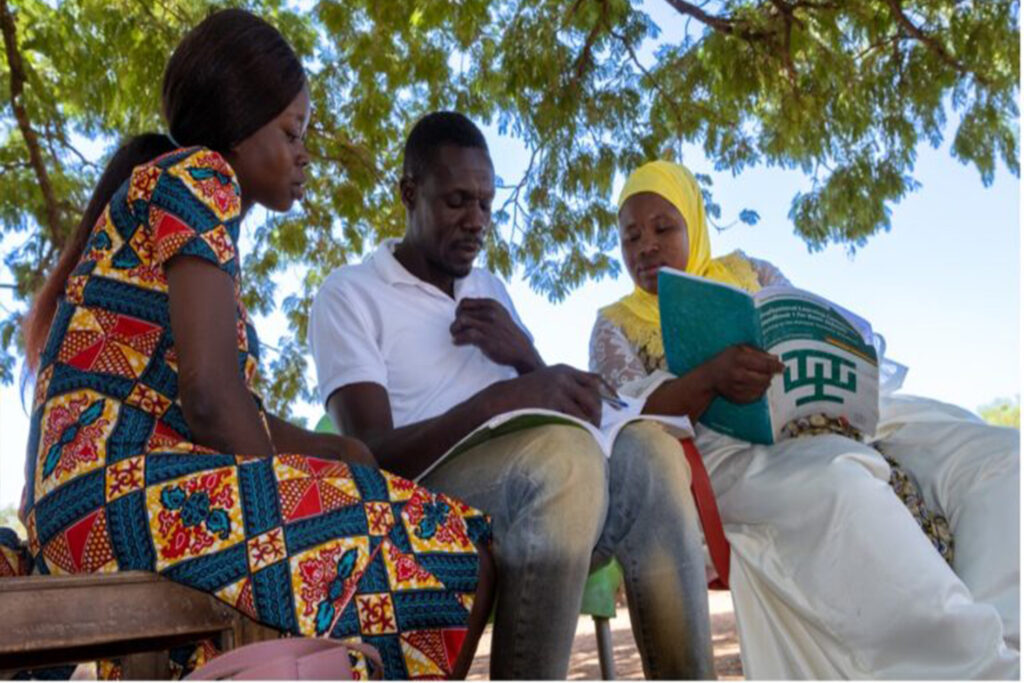
Ghana Education Service, Ministry of Education and their agencies join T-TEL to visit schools in Lambussie District to observe progress made on the Communities of Excellence Programme. Lambussie District, in the Upper West Region of Ghana, received a number of important visitors on 19thJanuary 2023 when staff from the Ministry of Education (MoE), Ghana Education Service (GES), Ghana Tertiary Education Commission (GTEC), National Service Scheme (NSS), the National Schools Inspectorate Authority (NaSIA) and Transforming Teaching, Education & Learning (T-TEL) spent the day visiting 16 basic schools in the district. These visitors included such distinguished educationists as Professor Jophus Anamuah-Mensah (Board Chair of T-TEL), Patty Assan (GES’s Director of Schools and Instructions), Professor Mohammed Salifu (Director-General of GTEC), Nana Baffour Awuah (MoE’s Director of Pre-Tertiary Education) and Michael Yaw Acheampong (NaSIA’s Deputy Inspector General). Mr. J.B.Kulah, District Director of Education, Lambussie (middle) with Prof. Jophus Anamuah-Mensah, T-TEL’s Board Chair (third from left) together with members of the District Education Office (DEO) and T-TEL during a visit to the DEO and some schools in Lambussie Since April 2022 Lambussie is one of three districts in Ghana which has been participating in the Ministry of Education’s Communities of Excellence Programme, implemented by GES and T-TEL with funding from the Jacobs Foundation. January’s visits, facilitated by GES’s Upper West Regional Education Office (REO) and the Lambussie District Education Office (DEO) were used to observe classroom teaching and Professional Learning Community (PLC) sessions and enabled the teams to see at first hand the efforts the district is making to enable all learners to fulfill their potential. Ms. Patty Assan, Director of Schools and Instructions, GES together with Prof. Jonathan Fletcher, Key Advisor for Teaching and Learning Partnerships, T-TEL arriving at a school to observe classroom lessons and PLC session The 64 participants were split into teams of four with each team visiting one of 16 basic schools. Each group was accompanied by a School Improvement Support Officer (SISO) or Schedule Officer from the DEO.The schools visited were Lambussie DA Basic Lambussie Tl Basic Piina RC Basic Busigya DA Basic Kohuo DA Basic Kanguol RC Primary Karni DA Basic Kpare RC Basic Kulkani DA Basic Suke DA Basic Zumara Basic Kadiligor DA Primary Bilaw DA Basic Nabaala RC Basic Kokya RC Basic Sentu RC Basic Each team arrived at their respective school in the morning, enabling them to observe lessons before participating in PLC sessions which take place in Lambussie every Thursday afternoon. Reflective sessions were held after the PLC sessions and lesson observations so that teams, teachers and DEO staff could share experiences and provide advice to improve teaching and learning. Group photo with teachers at Suke DA Basic The teams observed a number of good practices in the basic schools. Ms. Grace Ceaser Agbasi, the Headteacher at Kanguol RC Primary, said she brings all her learners together by finding a common activity they can enjoy. After that, she divides them into groups based on their learning abilities and provides individual assistance. This approach helps them to express themselves and improve their communication and collaboration skills.The teams were also impressed with the pedagogy and techniques used by those teachers who have graduated from Colleges of Education in recent years. These teachers generally demonstrated high levels of adherence to the National Teachers’ Standards (NTS) Ms. Grace Ceaser Agbasi with learners during an outdoor learning at Kanguol RC Primary Despite these good practices, teams also observed several challenges including the lack of facilities and resources in some schools and the fact that a number of teachers did not have a strong knowledge of either Sisaala or Dagaare, the two most common languages in Lambussie District.Whilst it is clear that the district, supported by the Communities of Excellence Programme, has gone some way to address their resourcing challenges, more support is still required from partners, communities and philanthropists to ensure that all children have an equitable opportunity to learn. Professional Learning Community (PLC) Sessions for Professional Development Professional Learning Communities (PLCs) provide opportunities for teachers to address challenges in their lesson delivery and collectively improve their teaching and learning. As they take place each week within schools they provide a cost-effective structured and sustainable means of ensuring that teachers understand the new curriculum and the National Teachers’ Standards (NTS).The Communities of Excellence Programme has seen GES and NTC introduce structured PLC Handbooks to support basic schools to conduct their weekly PLC sessions. During these sessions, teachers gather to discuss a particular subject, led by a facilitator, and simulate how the principles in the handbook can be applied in classroom lesson delivery, referencing the NTS and their Handbooks. These structured PLC Handbooks can be downloaded here: Basic Education – T-TEL Teachers at Kanguol RC Primary during a PLC session referencing the PLC Handbooks and the NTS Teams were pleased to see that PLC sessions, making good use of the Handbooks and NTS, were held in all 16 basic schools. After the field visits, a reflection session was held to discuss observations and their implications for GES, T-TEL and other partners. This feedback is summarized below. Strengths:Strengths identified during the lesson observations include well-prepared teachers who set clear objectives, demonstrated mastery of the subjects, use of ICT and interactive activities, and the blended use of English and the local language for ease of understanding by learners. Teachers also provided opportunities for learners to share knowledge and participate in group work. The observations also revealed the use of gender-responsive instructional methods and mixed-ability grouping in the classroom. Basic 6 Learners at Kanguol RC Primary working in a group Areas for improvement:Areas for improvement identified include the need for better questioning techniques, incorporating more ICT into teaching and learning, encouraging more parental involvement in education, and overcoming teacher shortages by deploying additional teachers to the schools. Teachers were also advised to use the differentiated learning technique to support learners at different grade levels especially in multiple grade classrooms. During the PLC sessions, the observations were positive, with engaging and interactive sessions led confidently by the facilitators. Teachers were guided
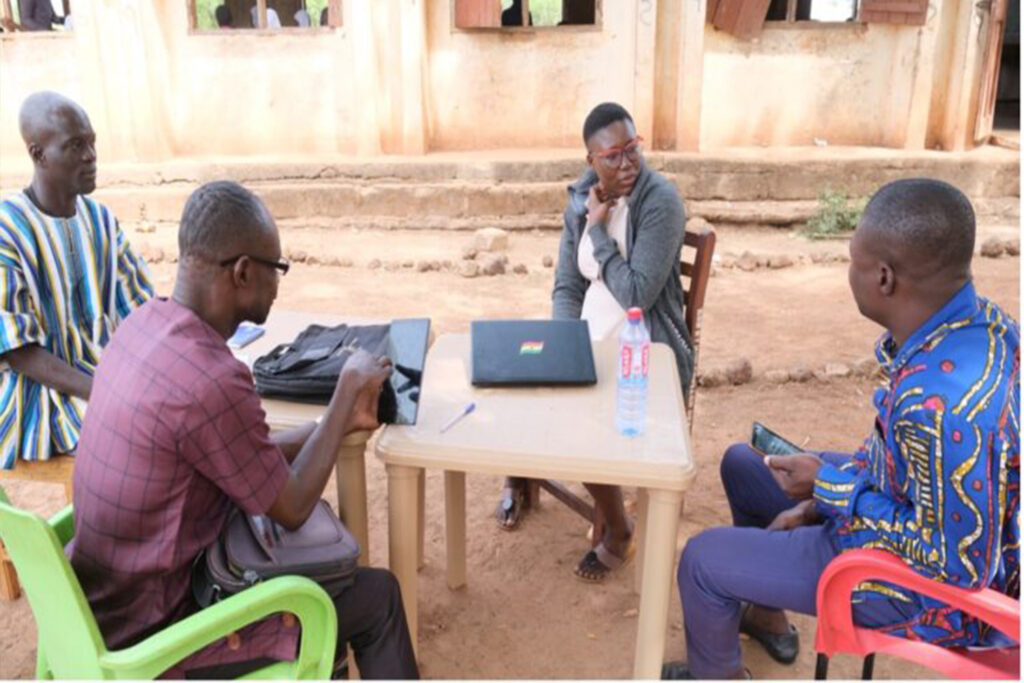
Empowering District Education Officers: Ghana Education Service organizes training workshop on Effective Classroom Observation and Professional Learning Community Sessions Participants in Lambussie after the workshop on effective lesson observation and PLC session Introduction The Ghana Education Service (GES) and Transforming Teaching, Education & Learning (T-TEL) organized a four-day training workshop for School Improvement Support Officers (SISOs), Schedule Officers, and Education Management Information System (EMIS) teams in Akuapem South, Bosome Freho, and Lambussiefrom 11th – 14th January 2023. The purpose of the workshop was to equip the officers with the necessary skills to effectively observe teachers’ lesson delivery and conduct of Professional Learning Community (PLC) sessions in schools across the districts. Training session at Bosome Freho Participants working in a group at Akuapem South The training was a response to a monitoring exercise conducted by GES in the districts to observe how the district officers were effectively observing teachers during lesson delivery and to assess the extent to which they were adhering to and applying the National Teachers’ Standards during teaching and learning. The feedback from the exercise indicated that more efforts were needed to support teachers in meeting the required standards, as well as in incorporating 21st century skills and ICT, including social and emotional learning into their teaching methodologies. Workshop Sessions The four-day workshop was divided into several sessions, each focusing on a specific topic related to effective classroom observation and PLC sessions. A. Challenges with the conduct of effective PLC sessions During this session, participants discussed some of the challenges they face in the performance of their roles regarding PLC sessions monitoring, lesson observation, data management, and school supervision. These challenges included lack of proper resources and training, lack of proper communication and coordination between officers, and difficulties in balancing the workload at the district levels. B. Effective lesson preparation and delivery In this session, participants discussed some of the key pointers during lesson delivery and what really goes into effective lesson delivery. The session covered topics such as proper lesson planning, effective use of teaching aids, and strategies for engaging students. C. Introduction to PLC sessions During this session, participants had a greater understanding of the National Teachers’ Standards and its importance during PLC sessions. They also gained insights on the PLC Handbooks that are being used to run weekly PLC session in basic schools. This session also discussed how PLCs can be used to improve teaching standards and student learning. D. Data reporting The session sought to make participants understand the importance of data gathering during classroom and PLC observations and how the data can be used to inform policy and practice. The session covered topics such as data collection methods, data analysis and interpretation, and the use of data to inform decision-making. Field Visits and Reflections As part of the training, participants visited some schools within their respective districts to observe lessons and to have hands-on experience and exposure on effective classroom observation. They did some reflections and received feedback after the field visit. Officers observing classroom lessons One participant said “the lesson observation was a good opportunity to see and learn what actually goes into planning and delivering a lesson. We had a good feedback session with the teachers we observed and we know that their teaching will improve greatly based on the feedback. The field visits were not only a great way to gain practical experience but also an opportunity to see how the training sessions were being applied in the real world.” Conclusion GES and T-TEL are committed to improving teaching standards and children’s learning across the three districts through the Communities of Excellence Programme. The officers who participated in the workshop expressed their satisfaction with the training and the tools they developed for data collection during schools visits. “When I was initially invited to this workshop, I was not sure what new thing I was going to learn for the work I do but I can say this workshop has been transformative and revealing. We were taken through how to observe lessons, how to conduct PLC session and we even developed a monitoring tool that we will use to collect data when we get to the field – we are equipped to do better monitoring when we visit the schools. This has been one of the successful workshops I have attended” said Bernice Kobuah, a SISO at Akuapem South. “The Weekly PLC sessions in schools are not there to burden any teacher but to help teachers update their knowledge on professional values, practice and attitudes to promote lifelong learning in order to improve learning outcomes. Teachers should not see PLC sessions as a cognitive activity but rather what is learnt should be translated in classroom practice” – Anastasia Arkoh, the Science Technology Mathematics Innovation Engineering (STMIE) Coordinator for Bosome Freho. “The monitoring tool we have now developed for lesson observation is flexible and not difficult to use. This will make it easy to gather data during monitoring exercises” Stonals Boakye, SISO, Bosome Freho. “During lesson observation, there should be constructive feedback to the teacher. This must always start and end on a good note. This means that teachers must always be encouraged during giving feedback. Additionally, I believe that the monitoring tool which was collectively developed by the participants creates a sense of ownership – this is because if something is your yours, you are proud and you use it very well.” – Aurelio M.B Tenzagh, District Training Officer, Lambussie.
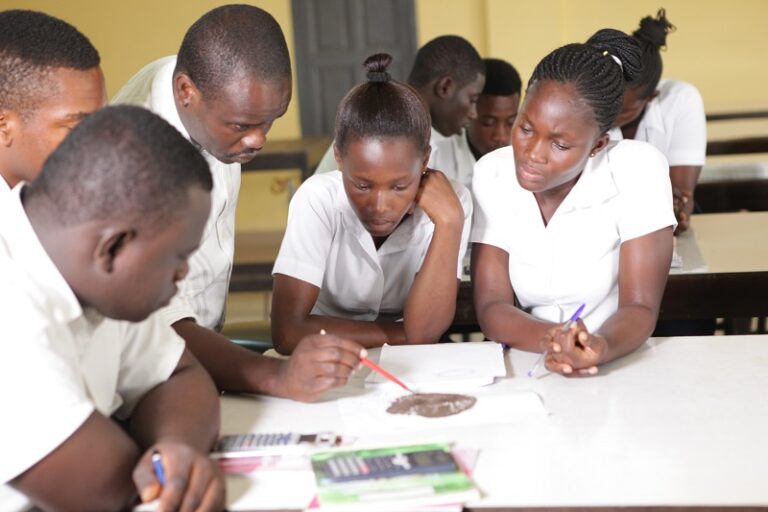
PRESS RELEASE Transformation in Ghanaian Teacher Education: First Batch of Bachelor of Education (B.Ed.) students to graduate from Colleges of Education (CoEs) Wednesday, October 05, 2022 – For the first time in the history of our education system, Ghana will produce its first Bachelor of Education (B.Ed) cohort from our 46 public Colleges of Education. The beginning teachersgraduating from the B.Ed. meet the National Teachers’ Standards and are well prepared to deliver the standards-based curriculum which was rolled out nationwide in 2019. This is a major milestone in Ghana’s ambition to become a learning nation. We are confident that these new teachers will make a significant positive contribution to learning outcomes in our school system in the years to come. As the world honours teachers on World Teachers’ Day, Ghana’s celebration coincides with the imminent graduation of the first batch of B.Ed. student teachers from the Colleges of Education. This historic achievement is part of Ghana’s drive to professionalize teaching, and to join the select community of nations requiring a Bachelor’s degree as a minimum qualification for entry into the teaching profession. The Chronology and transformation to B.Ed. Colleges of Education, which were known as Teacher Training Colleges, had, until 2007 run various pre-service teacher education programmes all in a bid to prepare the right teachers who are inspirational and aspirational to teach in the Ghanaian classroom. Ghana has, over the years, run these pre-service teacher education programmes i.e., a 2-year Post-Middle Certificate ‘B’, a 4-year Post-Middle Certificate ‘A’ and a 3-year Post-Secondary Certificate ‘A’ programmes and other Modular tailored forms of training. The Government realised that there were issues with learning outcomes in the basic school system because of the way the entire pre-service teacher education was structured and delivered. This provided the basis to focus and transform education delivery around producing teachers who, among others, are lifelong learners and able to respond to the changing needs of learners. In 2004, following a comprehensive review of the educational system, 38 Teacher Training Colleges were upgraded into Diploma-awarding institutions and affiliated with the University of Cape Coast, our premier teacher training University. In 2014, the Transforming Teacher Education & Learning (T-TEL) programme was designed and launched by the Government of Ghana and UK Aid with the mandate to work with the National Council for Tertiary Education, now Ghana Tertiary Education Commission (GTEC) and all 46 public Colleges of Education (CoEs) to deliver far-reaching reforms to improve the quality of pre-service teacher education. This led to the development of a new teacher education curriculum fit for the 21st century and intended to ultimately give learners the skills to think independently, problem solve and collaborate in groups. The new teacher education curriculum was anchored on the National Teacher Education Assessment Policy (NTEAP) and the National Teachers’ Standards (NTS). These documents collectively codify what is expected from a teacher in Ghanatoday. Subsequently, in October 2018, all 46 public CoEs began the delivery of the B.Ed. programme and a new arrangement of mentorship under 5 teacher education Universities i.e., UG, UCC, KNUST, UEW and UDS. Student teachers studying in the B.Ed. programme specialise in Early Grade, Primary Education and Junior High Education. This is a significant improvement from a diploma system to a more practical-oriented B.Ed. curriculum which allows pre-service teachers to have real classroom teaching experiences from the beginning of their training. The year 2022 marks the fourth and exit year since the implementation of the B.Ed. programme and the implementation has experienced remarkable improvements in teaching and learning, leadership and governance, professional and institutional development, quality assurance and Gender Equality and Social Inclusion (GESI). On the occasion of the 2022 World Teachers’ Day, celebrated under the theme, “The Transformation of Education begins with Teachers”, we want to congratulate all pre-service and in-service teachers, particularly our beginning teachers, for their resilience, hard work and dedication to raising the standard of the teaching profession and for the commitment and passion to shaping the minds of the younger generation.Congratulations!!! Note for Editors About the Ghana Tertiary Education Commission (GTEC) GTEC is mandated to regulate tertiary education in all its forms. About Transforming Teaching, Education and Learning (T-TEL) T-TEL is a Ghanaian not-for-profit organisation that provides high quality technical advice, project management, research and implementation support services, using local talent and expertise to enable Ghana’s education system to reach greater heights. Media Contact Hannah Tinyep Mobya Communications & Stakeholder Engagement Officer hannah.tinyepmobya@t-tel.org +233 554357370
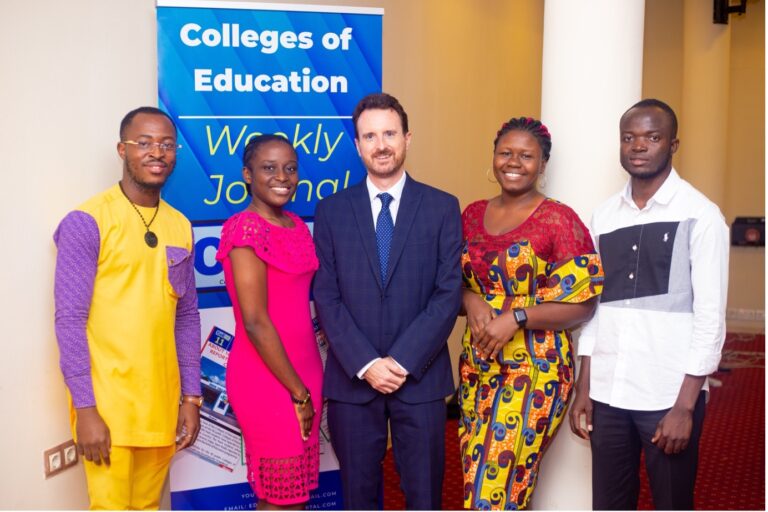
T-TEL PARTNERS WITH THE TEACHER TRAINEES’ ASSOCIATION OF GHANA (TTAG) TO OFFER INTERNSHIPS FOR STUDENT TEACHERS Ten final year Student teachers from Colleges of Education (CoEs) have participated in four-week internships in T-TEL offices across Ghana Jackson Saaga (first left), Perpetual Wadjoly (second left), Robin Todd, Executive Director, T-TEL (middle), Sandra Adu-Gyamfi (second right), Jonathan Dzunu, TTAG President (first from right) This year the Teacher Trainee’s Association of Ghana (TTAG) and Transforming Teaching, Education & Learning (T-TEL) have collaborated to offer internships for final year student teachers. The internships, which are offered to student teachers twice a year for four weeks during College of Education vacation periods, provide the opportunity to gain practical work experience and also understand how T-TEL collaborates and works with the Ministry of Education and government agencies both nationally and sub-nationally. Robin Todd, the Executive Director of T-TEL, explained that the internships demonstrate T-TEL’s commitment to provide practical learning opportunities to talented young Ghanaians: “These internships enable student teachers to gain insights and experiences right across our education system, from policy meetings in the Ministry of Education to Professional Learning Community sessions in basic schools. This exposure will be invaluable to them when they enter the teaching profession whilst also making them aware of the standards and professionalism which T-TEL expects from all of our staff.” T-TEL and TTAG have a strong working relationship which has been built over a number of years. Jonathan Dzunu, the National President of TTAG, speaking at its 26th General Assembly, spoke positively about the internship scheme. Jonathan Dzunu and other TTAG Executives at the 26th General Assembly “During our handing over in Accra College of Education, we discussed how to continue to secure new support and sustain existing support with our key stakeholders. It was there that Robin stated that T-TEL could support TTAG through an internship scheme. This internship has already provided invaluable experience that the interns can keep for the rest of their lives and apply in the teaching profession.” Jonathan said that the feedback he has received from those who have interned with T-TEL has been positive. “They tell me that the exposure alone has been good, and some tell me that they have learnt how to collect data which will help them during their final year project work.” He was confident that the leadership of TTAG would discuss ways to expand these internship opportunities in future. “Based on the feedback we are receiving from the interns, TTAG executives are now exploring ways of meeting other stakeholders on how they can come on board to support the teacher trainees and the Colleges at large with other internship schemes.” Angelica A. Azuwieh, a student teacher and the Vice President of the Student Representative Council (SRC) of her College, Dambai College of Education was one of the first batch of teacher trainees who spent four weeks interning at T-TEL earlier this year. Angelica expressed her excitement to have undergone her internship at T-TEL because “it was a good learning experience and helped me expand my knowledge and understanding of the significant amount of work done in CoEs, especially with the Bachelor of Education (B.Ed.) programme”. During her internship period, Angelica spent some time with a team of assessors during the B.Ed. Fidelity of Implementation (FoI) exercise – an exercise conducted by the Ghana Tertiary Education Commission (GTEC) to evaluate the extent to which the B.Ed. is being implemented as intended across all the 46 public Colleges of Education. “I initially thought I understood the B.Ed. programme well until I joined the Fidelity of Implementation exercise. I observed some of the field interviews and participated in lesson observations. These enabled me to better appreciate the work done across all 46 CoEs and the transition journey of Colleges from Diploma awarding institutions to Degree awarding institutions.” Angelica also shared how the internship opportunity will directly impact her teaching. She stated that she picked up valuable insights from a series of lessons she observed during the FoI exercise: “I believe that I will be a great teacher in the classroom… I have learnt a lot on how to observe lessons and also give feedback. In giving feedback, you first have to appreciate the strengths and praise the teacher’s effort before stating some shortfalls observed in the lesson delivery. You must ensure that you end your feedback by re-emphasising the strengths. When you do that, you will notice that the teacher will reflect on the feedback and improve on their lessons next time.” Sandra Adu Gyamfi is a Level 400 B.Ed student teacher from St. Louis College of Education. She was in the second batch of interns who recently finished their programme with T-TEL. She says that the internship experience has “opened my eyes and mind to understand and appreciate educational policies for teacher education. My notion that educational policies are drafted by some selected few in the comfort of their offices has changed. I have experienced some of the broader stakeholder consultations and preparations leading to curriculum development and other educational policies. One thing that stood out for me is the Gender Equality and Social Inclusion (GESI) considerations in the curriculum writing workshop I participated in at Ho. Additionally, I see a wealth of resources and information on the GTEC Colleges of Education Management Information System (CEMIS) platform that I think the CoEs should make good use of to support teaching and learning.” “I have learnt a lot in this short time and I know that can make a big difference when I return to college and also begin my career as a teacher.”
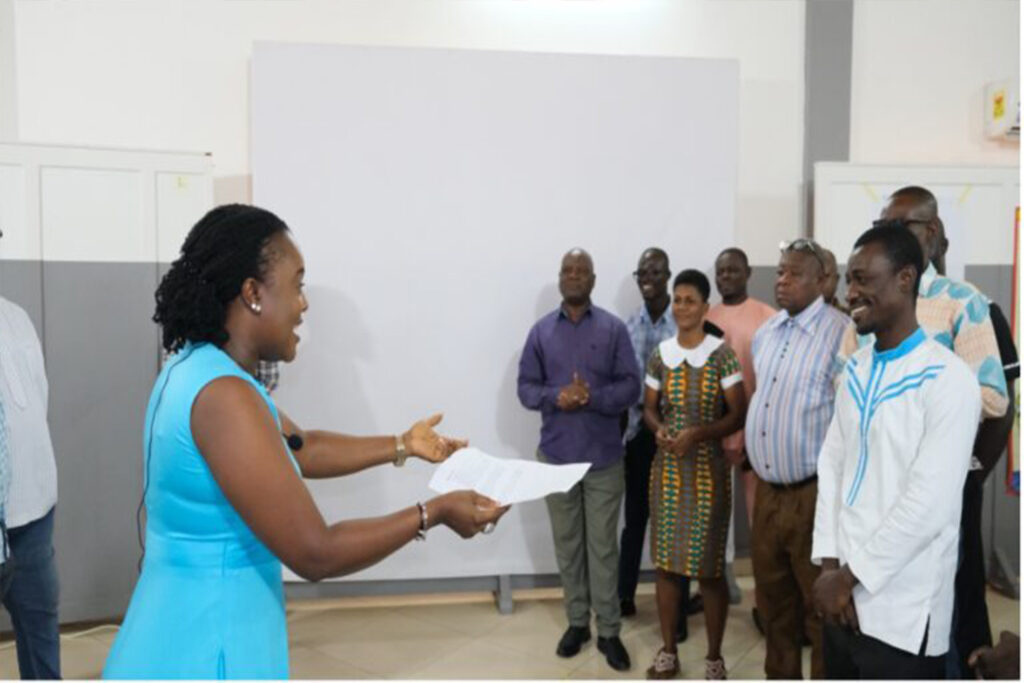
Ghana Education Service and T-TEL organise Communications Training for district communicators under the Communities of Excellence Programme. Group photo of participants after the training Ghana Education Service (GES), with support from Transforming Teaching, Education and Learning (T-TEL) has recently organised a Communications Training workshop for communication focal persons from the three districts implementing the Communities of Excellence Programme (CEP)- Lambussie, Bosome Freho and Akuapem South districts. The training, which took place at the T-TEL Office in Accra on 15th and 16th August, was aimed at empowering the teams so that they can develop robust communications plans and equipping them with effective and appropriate tools to communicate with stakeholders. Ms Patty Assan, Director of Schools and Instructions at GES, urged the participants to continue communicating and raising awareness of the Communities of Excellence Programme and explore opportunities to highlight how the districts are working with all stakeholders to build adaptive learning ecosystems. “To build adaptive learning ecosystems and actualize the change that we really want to see in our learners we have to ensure that our stakeholders continue to take an interest in our work and support it.” She further urged the districts to “continue sharing and reaching out to more people at the grassroots” to increase stakeholder interest and participation in the CEP. Ms Patricia Adu-Twum, Team Leader for the CEP, noted that the districts have made considerable progress since the programme’s inception, saying that: “the districts have shown what works when it comes to collaborating with stakeholders in the community, particularly parents and traditional authorities, to ensure that learning outcomes in the districts are improved.” She emphasized that the district communicators have a shared responsibility of regularly updating stakeholders on progress made with implementation – they must be kept involved from the beginning to the end. Mr. Akwasi Addae-Boahene, T-TEL’s Chief Technical Advisor, commended the districts for sustaining the interest of stakeholders and for forging long-term relationships through the series of stakeholder engagements that have taken place in the various districts. Akwasi Addae-Boahene addressing participants during the workshop He stated that the training was “absolutely essential for the districts to continue engaging and creating greater awareness of the programme among stakeholders.” He also mentioned that the districts should leverage the power of communication as a useful tool for mobilising stakeholders and coordinating effective community outreach. “We need people who will continue to advocate and mobilise stakeholders … we need you, the PROs, to be part of the district learning ecosystem” Robin Todd, Executive Director of T-TEL addressing participants at the national dialogue Robin Todd, Executive Director of T-TEL addressing participants at the national dialogue Participants during a session on mainstreaming gender and inclusion in communication The two-day workshop trained participants on developing key messages, creating content, writing for impact, and undertaking gender-responsive communications. The session on gender-responsive communications sought to ensure that the programme’s communication strategies, tools and approaches are inclusive and “leaves no one behind”. At the end of the workshop, all three districts established online presence on Facebook and Twitter to supplement other communication channels for stakeholder engagement. “The training workshop is timely because we are at a point in our districts where effective stakeholder engagement and support are key to ensuring the holistic wellbeing of learners. This training is very empowering, empowering in the sense that we are equipped to share our stories and communicate effectively with stakeholders at the community level and beyond. We also have Facebook and Twitter pages to support our communication activities. I am delighted that we were also trained on how to incorporate Gender Equality and Social Inclusion in our communication activities to ensure that no one is left behind,” says one of the district PROs. – End – The Communities of Excellence Programme seeks to ensure adaptive learning ecosystems are developed within districts and communities to provide all school-going children with the knowledge, skills, attitudes, tools and equitable opportunities to reach their full learning potential. The programme is led by Ghana Education Service facilitated by Transforming Teaching, Education and Learning (T-TEL) with funding from the Jacobs Foundation. Read more here.
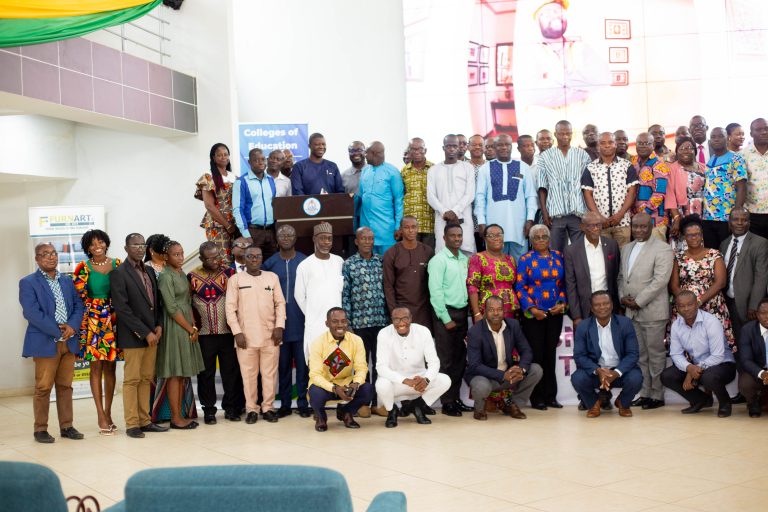
Colleges of Education Weekly Journal (CoEWJ) holds a National Dialogue on Initial Teacher Education. The Colleges of Education Weekly Journal (CoEWJ) recently organised a two-day National Dialogue on Initial Teacher Education at the Bediako Hall, GNAT Headquarters in Accra. The dialogue took place on Wednesday and Thursday, 27th and 28th July 2022, under the theme “4-years into the transformation of Colleges of Education into Degree Awarding Institutions – Realities and the way forward”. The National Dialogue brought together a range of stakeholders from the Ministry of Education, National Teaching Council (NTC), Conference of Principals of Colleges of Education (PRINCOF), Ghana Tertiary Education Commission (GTEC), Transforming Teaching, Education and Learning (T-TEL), Principals and staff of all 46 Public Colleges of Education, Student Teachers, Colleges of Education Teachers Association of Ghana (CETAG), Mentoring Universities, Teacher Trainees’ Association of Ghana (TTAG), Teacher Unions, Colleges of Education Non-Teaching Staff Association of Ghana (CENTSAG), Civil Society Organisations (CSOs), Churches/Missions and Education Experts to deliberate and assess the quality of teacher education, the fidelity of implementation of the Bachelor of Education (B.Ed.) curriculum and discuss the future direction of teacher education in Ghana. The event was chaired by Ms. Elizabeth Akua Ohene, a renowned journalist and former Minister of State for Tertiary Education. In her acceptance speech she stated that she was always excited to be a part of conversations that involved education because “teachers are important in my life. Both my parents were teachers, and I know I am who I am and became what I became because of teachers.” She added that teachers are extremely important because they lay the foundation for every country’s development. She further said that we must have confidence and trust in our education system. “Let’s have confidence in ourselves because we have every reason to be confident and then having done that, let’s be proud of what we do and let’s communicate as much to the public.” The Chairperson speaking at the national dialogue The Editor-in-Chief of the CoEWJ, Mr. Larry K. Agbador, explained that the dialogue is targeted at achieving consensus amongst stakeholders as to the best ways to keep improving Ghanaian teacher education, saying: “Let us all come out of this dialogue united in thought on the way forward for the growth of our Colleges of Education. I have no doubt that the 46 public Colleges of Education will take giant steps in the process of development after this dialogue… I am hopeful that participants will succumb their personal preference to the national interest for an open conversation on the challenges facing the transformation of the Colleges to offer quality education to student teachers.” Larry K. Agbador, Editor-in-Chief of the CoEWJ delivering a speech On his part, Robin Todd, the Executive Director of T-TEL, evidenced the transformation which had taken place in Colleges of Education in recent years, a transformation that many members of the Ghanaian public remain unaware of: “There issues, but these should not disguise the fact that there has been an absolute transformation in the quality of teacher education in Ghana over the past five years.” Robin Todd, Executive Director of T-TEL addressing participants at the national dialogue Robin Todd, Executive Director of T-TEL addressing participants at the national dialogue Robin Todd quoted data from GTEC’s annual surveys, conducted nationwide since 2015, which showed that the number of beginning teachers meeting the National Teachers’ Standards and using learner-centred approaches in the classroom had increased from less than 2% in 2015 to over 40% today. He commended Colleges’ leadership for the system improvements and urged them to share these transformations with the broader public. “What we need to do now is use the changes in the Colleges of Education to influence the rest of the education system because you are the beacon of hope to the rest of the education system, graduating 16,000 high quality new student teachers entering our basic schools every year.” The Special Guest of Honour, Dr. Yaw Osei Adutwum, Minister for Education, pledged the government’s support in continuing to transform Colleges of Education across the country in the expectation that the training of quality teachers will go a long way to transform the entire education system. He said “…we need to create a new teaching and learning environment where students would feel empowered and it should begin in our Colleges of Education. The way we train our trainees will empower them to do something different when they get into the classrooms across the country.” Dr. Yaw Osei Adutwum speaking about government’s commitment to transforming education in Ghana He further mentioned that “the Government of Ghana is doing everything to make sure we can transform the teaching and learning environment. We are not there yet, but we have done some work in that area and will continue to do more.” In his remarks, the Keynote speaker for the event, Professor Jophus Anamuah-Mensah, contended that the Colleges of Education should hold onto their core mandate of developing quality teachers for the education sector. He emphasised that “in Singapore, teachers are described as nation builders and, indeed, that is what they are. Teachers are nation builders. The men and women we see in front of our classrooms building the knowledge and skills of our children, they are nothing else but nation builders. If so, then the machinery that produces the nation builders, that is, the Colleges of Education also need to be supported in such a way that they can produce the nation builders.” He indicated that Colleges of Education must serve as knowledge innovation hubs and agents of change in their communities and localities to address basic education learning needs. In so doing they can then become centres for the renewal of the African mind. Prof. Anamuah-Mensah delivering the keynote address Despite the challenges, Prof. Anamuah-Mensah stated that we cannot overestimate the Colleges’ contribution to the country’s development. “Colleges of Education are at the forefront of the transformation of the education system in the country – therefore their need for support in terms of infrastructure, resources and their status needs to be given the urgent attention. This support, at the moment is not forthcoming. Equally important is the core mandate